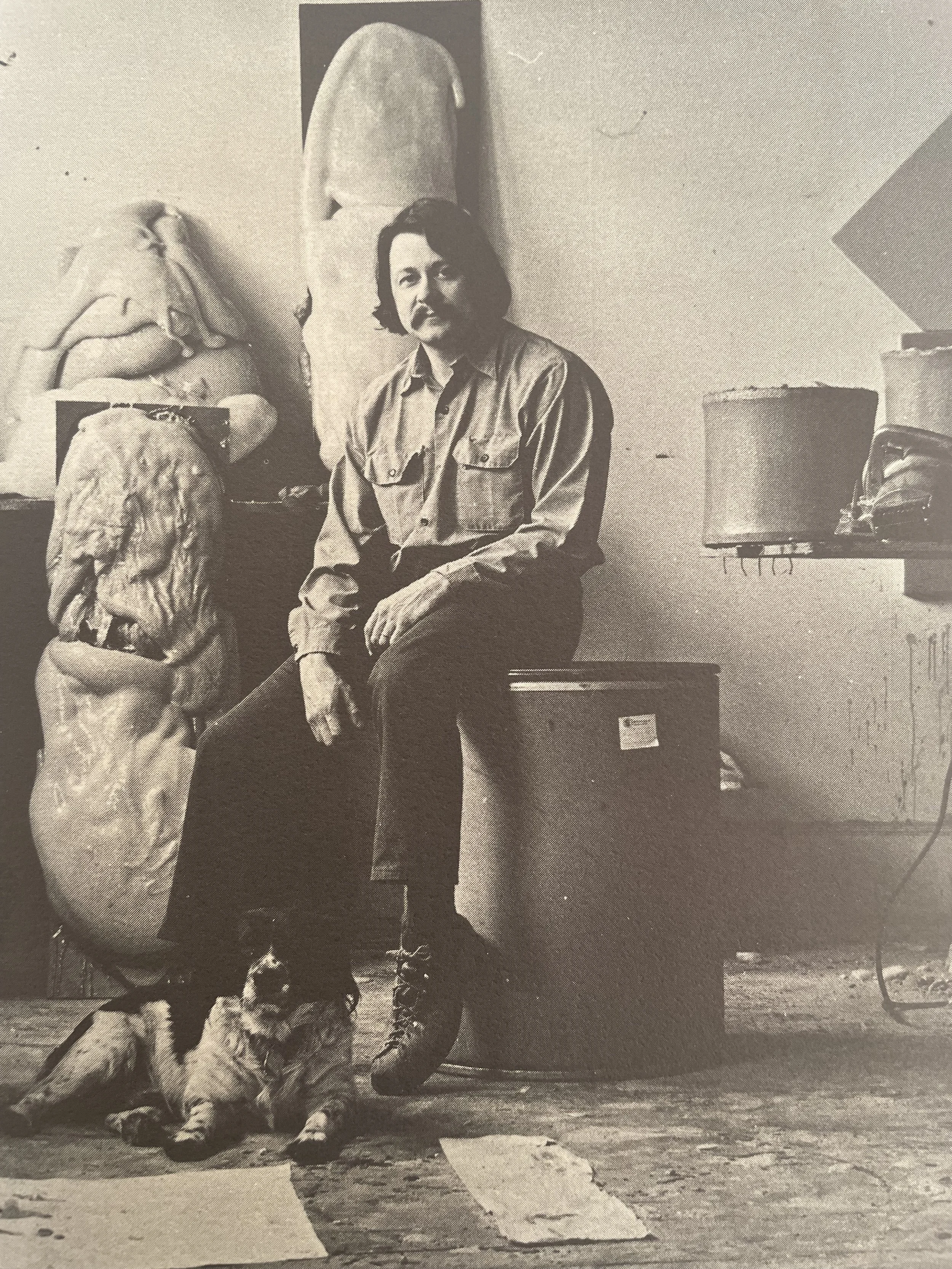
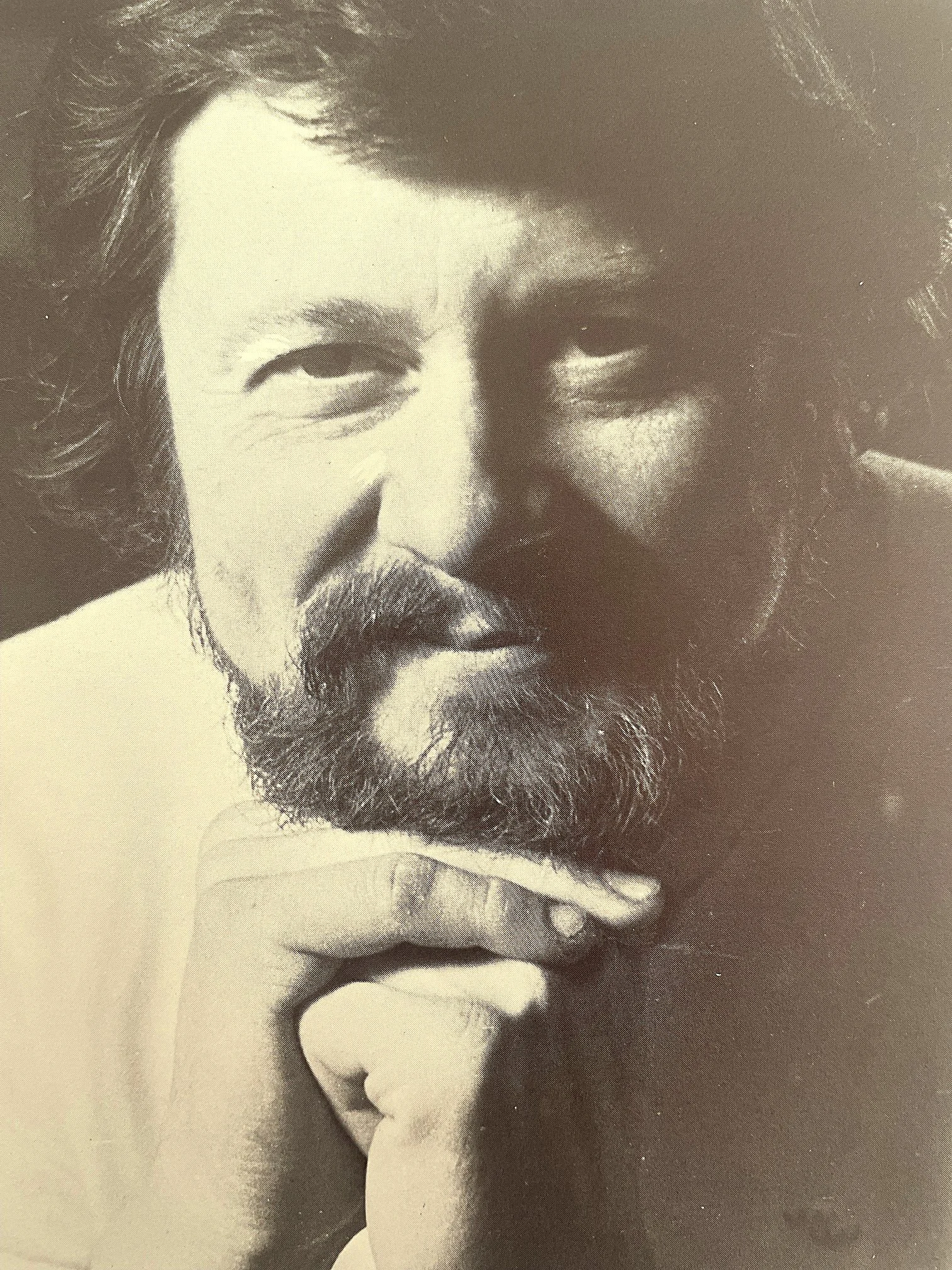
Alan Paulson is an American artist best known for bringing a humanist approach to formal abstraction. His steadfast commitment to laminated hand-carved wood sculpture with visible joinery remains noteworthy in contemporary art movements.
Born in Philadelphia, PA, Paulson studied at Temple University (Associates Degree in Mechanical Design), Philadelphia College of Art (Bachelor of Fine Art), and received a Masters of Fine Art in 1965 from the University of Pennsylvania followed by a faculty role. While in Philadelphia, Paulson met David Smith and was profoundly influenced by his assembled forms in steel and as well as the work of local artists’ William “Mud Man” Daley and William Parry.
Paulson was featured in one-man exhibitions as early as 1967, showing in New York City, Milwaukee, WI, Louisville, KY, and at various Colleges and Universities. His work has been shown in exhibitions throughout the US, Italy, and the United Kingdom. Paulson’s solo show at the celebrated Touchstone Gallery on East 64th Street in Manhattan was described in a 1977 Arts Magazine review as “a synergistic union of unbelievable fluidity.”
Paulson was dedicated to a teaching career that inspired multiple artists of note. As Director and Teaching Sculptor at the Louisville School of Art (1968-70), the figure sculptor Ed Hamilton described Paulson in his book The Birth of an Artist as “an outstanding teacher.” Hamilton recounts their experience of building a bronze casting foundry on the school grounds as “a Dante’s Inferno” that was the high point of art school. This was the first of four teaching foundries Paulson would build, and significantly provided early experimentation with new shell casting technology that would manifest in his later metal work. Paulson went on to teach at the Layton School of Art, Milwaukee, WI, Colgate University, Hamilton, NY, and Gettysburg College, Gettysburg, PA where he chaired the art department and developed a permanent gallery.
In 1981, Paulson was instrumental in leading the committee to award Martin Puryear a significant early installation,“The Sentinel,” setting off a storm of controversy on the Gettysburg College campus. In a letter to the Gettysburg College president in response to negative reviews, Paulson said “The campus can use the inevitable controversy. This is the kind of interaction that we need and dialogue of the best sort.”
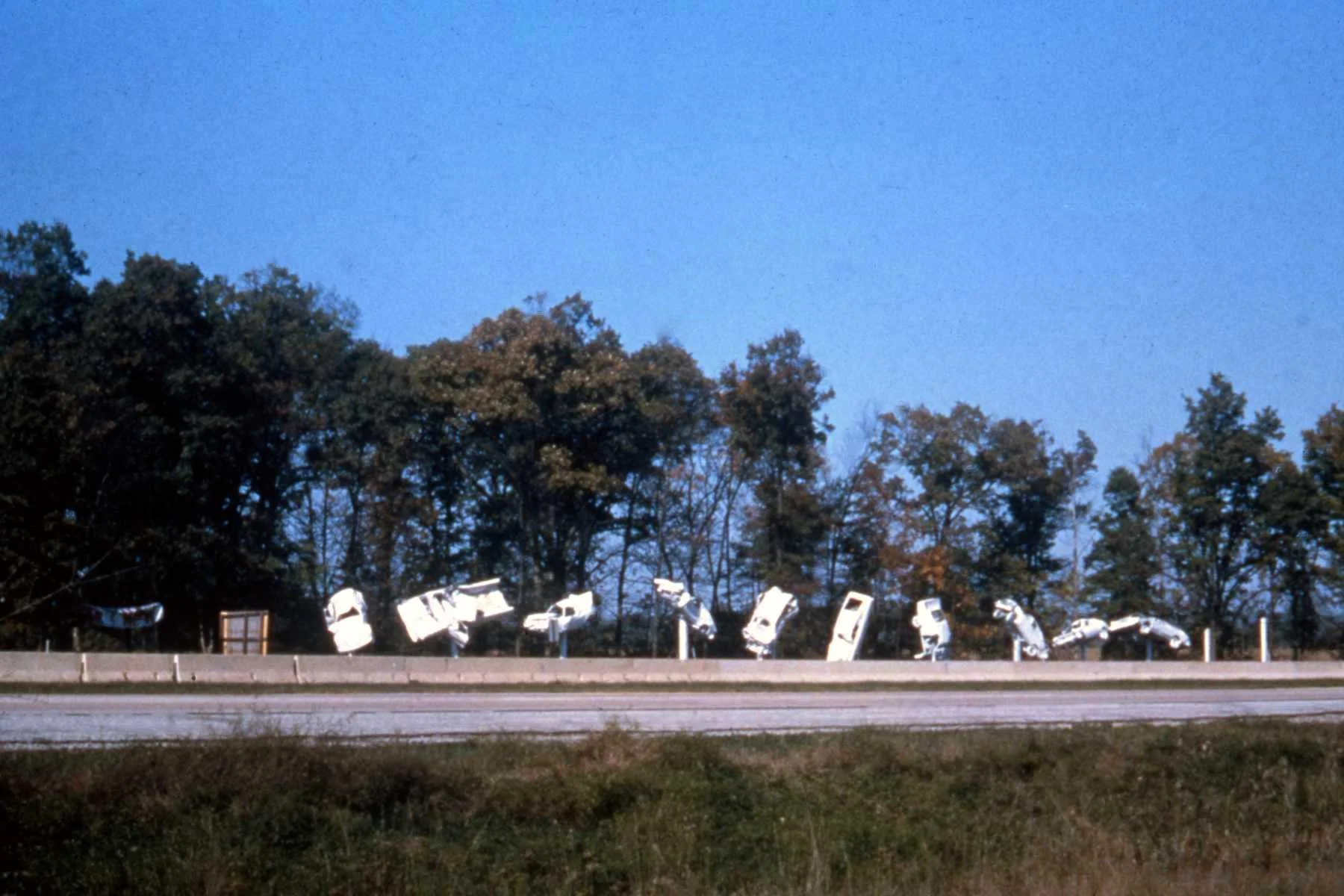
An unfortunate fire in 1984 destroyed Paulson’s studio and 25 years of work, ushering a period of personal loss alongside determined activism. A feminist advocate, he promoted the work of the Guerilla Girls, and invited presentations by Kristi Rupp and Judy Chicago. In 1986 Paulson erected a public art installation on a stretch of badly designed highway, US 15 in Pennsylvania. In response to devastating mortality numbers - he memorialized victims with 11 eerily spot-lighted wrecked vehicles, painted white and suspended high atop steel beams. Road repair was fast tracked as a result of the public piece.